
Introduction
The Internet of Things (IoT) is a rapidly growing technological revolution that is transforming industries and our daily lives. By connecting everyday objects to the internet, the IoT is creating a vast network of interconnected devices that can communicate, collect data, and perform tasks autonomously. In this blog post, we will explore the concept of the IoT, its applications, and the challenges and opportunities it presents.
What is the IoT?
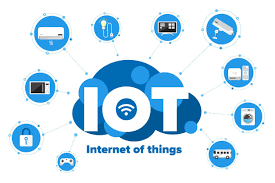
The IoT refers to the network of physical devices, vehicles, home appliances, and other objects embedded with electronics, software, sensors, and network connectivity that enable them to collect and exchange data. These devices can communicate with each other and with central systems, allowing for automation, remote monitoring, and improved efficiency.
Applications of the IoT
The IoT has a wide range of applications across various industries:
- Smart Homes: IoT-enabled devices can automate tasks in homes, such as controlling lights, thermostats, and security systems.
- Smart Cities: IoT sensors can be used to monitor traffic, waste management, and energy consumption in cities, improving efficiency and sustainability.
- Healthcare: IoT devices can be used for remote patient monitoring, wearable health trackers, and medical device management.
- Manufacturing: IoT sensors can optimize production processes, improve quality control, and reduce downtime.
- Agriculture: IoT-enabled sensors can monitor soil moisture, temperature, and crop health, optimizing agricultural practices.
- Transportation: IoT technology can be used for fleet management, traffic monitoring, and autonomous vehicles.
Benefits of the IoT
The IoT offers numerous benefits, including:
- Improved Efficiency: IoT can automate tasks, reduce manual labor, and optimize processes, leading to improved efficiency.
- Cost Savings: By automating tasks and reducing waste, IoT can help businesses save costs.
- Enhanced Decision Making: IoT-generated data can provide valuable insights that can inform decision-making.
- Improved Customer Experience: IoT can enable personalized services and enhance customer experiences.
- Innovation: IoT is driving innovation across various industries, leading to the development of new products and services.
Challenges and Considerations
Despite its potential, the IoT faces several challenges:
- Security: Protecting IoT devices and data from cyberattacks is a major concern.
- Privacy: The collection and use of IoT data raise privacy concerns.
- Interoperability: Ensuring compatibility between different IoT devices and platforms is a challenge.
- Scalability: As the number of IoT devices increases, managing and scaling IoT networks becomes more complex.
- Regulatory Framework: Developing a clear regulatory framework for IoT is essential to address legal and ethical issues.
Future Outlook

The IoT is a rapidly evolving field with immense potential. As technology continues to advance, we can expect to see even more innovative applications and widespread adoption of IoT devices. Addressing the challenges and harnessing the opportunities will be crucial for realizing the full potential of the IoT.