
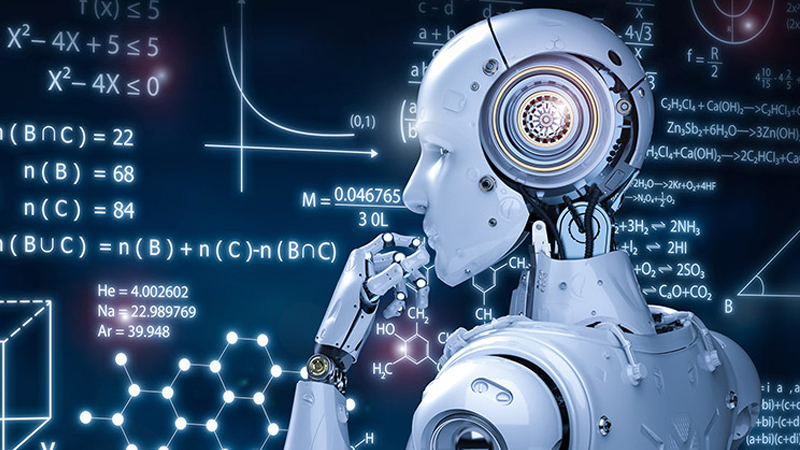
In an era marked by technological advancements, artificial intelligence (AI) and robotics stand at the forefront, revolutionizing the way we work and conduct business.
The Rise of Intelligent Machines
The integration of AI and robotics has ushered in a new era of intelligent machines. These systems, equipped with advanced algorithms and learning capabilities, are not only automating routine tasks but also adapting to dynamic environments. Industries that embrace these technologies are experiencing unprecedented efficiency gains and cost savings.
Automation Redefining Industries
From manufacturing and logistics to healthcare and finance, automation is redefining traditional industry landscapes. Robotics, with its precision and reliability, is streamlining production processes, ensuring quality outputs, and minimizing human error. This transformation is not just about machines replacing tasks; it’s about augmenting human capabilities and unleashing new possibilities.
Enhancing Productivity and Innovation
AI’s ability to analyze vast datasets and identify patterns enables businesses to make data-driven decisions swiftly. This enhanced productivity fosters innovation by freeing up human resources to focus on creative and strategic endeavors. In turn, this dynamic synergy between AI and human intelligence is propelling industries towards unprecedented heights.
Challenges and Opportunities
While the benefits are undeniable, the integration of AI and robotics poses challenges. Workforce disruption and the need for upskilling are pressing concerns. Companies and policymakers must collaborate to create a framework that ensures a smooth transition for employees while harnessing the full potential of these technologies.
The Evolution of Jobs
As certain routine tasks become automated, the nature of jobs is evolving. Roles requiring emotional intelligence, critical thinking, and problem-solving skills are becoming increasingly valuable. Companies must invest in training programs to equip their workforce with the skills needed in this AI-driven landscape.
Ethical Considerations
The ethical implications of AI and robotics cannot be ignored. As these technologies become more integrated into daily life, it’s crucial to establish ethical guidelines that prioritize safety, fairness, and transparency. Striking the right balance between innovation and ethical considerations is paramount for sustainable progress.
The Future Landscape
In conclusion, the fusion of AI and robotics is not just a technological advancement; it’s a societal shift. Industries that adapt and invest wisely will thrive in this new landscape, where human creativity and technological prowess work hand in hand. Join us on this journey as we explore the limitless possibilities that AI and robotics offer in transforming industries and the workforce.
Collaborative Robotics in the Workplace
Collaborative robots, or cobots, represent a significant development in the interaction between humans and machines. These robots work alongside humans, assisting in tasks that require precision or heavy lifting. The synergy between human intuition and robotic precision enhances overall efficiency, creating a collaborative and harmonious work environment.
AI-Powered Personalization in Customer Service
In customer-centric industries, AI is revolutionizing the way businesses interact with clients. From chatbots providing instant responses to predictive analytics tailoring personalized experiences, AI is elevating customer service to unprecedented levels. This not only enhances customer satisfaction but also provides valuable insights for businesses to refine their strategies.
The Impact on Healthcare and Biotechnology
AI and robotics are making significant strides in healthcare, from robotic-assisted surgeries to AI-driven diagnostics. These technologies are enhancing the accuracy of medical procedures, reducing recovery times, and contributing to breakthroughs in drug discovery. The fusion of technology and healthcare is saving lives and improving the overall quality of patient care.
Environmental Sustainability through Automation
Automation powered by AI is also playing a pivotal role in promoting environmental sustainability. Industries are adopting automated systems to optimize energy consumption, reduce waste, and enhance overall eco-efficiency. The marriage of technology and sustainability is crucial for addressing global challenges and creating a more environmentally conscious future.
Global Connectivity and Remote Collaboration
The integration of AI and robotics is fostering global connectivity and remote collaboration. With advanced communication technologies and robotic systems, teams can collaborate seamlessly across geographical boundaries. This has become especially relevant in a world where remote work is increasingly prevalent, allowing businesses to tap into a global talent pool.
Continuous Learning in the Age of AI
As AI evolves, the need for continuous learning becomes paramount. Individuals and organizations must embrace a culture of ongoing education to keep pace with technological advancements. Upskilling and reskilling initiatives are vital to empower the workforce and ensure that everyone can contribute meaningfully in the age of AI.
Government Policies and Regulation
Governments worldwide are grappling with the need to develop policies and regulations that foster innovation while addressing potential risks associated with AI and robotics. Striking the right balance between encouraging technological advancements and safeguarding ethical standards is an ongoing process that requires collaboration between industry leaders, policymakers, and the public.
The Intersection of AI and Creativity
Contrary to concerns about AI replacing creativity, these technologies are proving to be valuable tools in the creative process. AI-driven algorithms can analyze trends, generate ideas, and even assist in content creation. The intersection of AI and creativity opens up new possibilities for industries such as marketing, design, and entertainment.
The Social Impacts of AI and Robotics