
Introduction

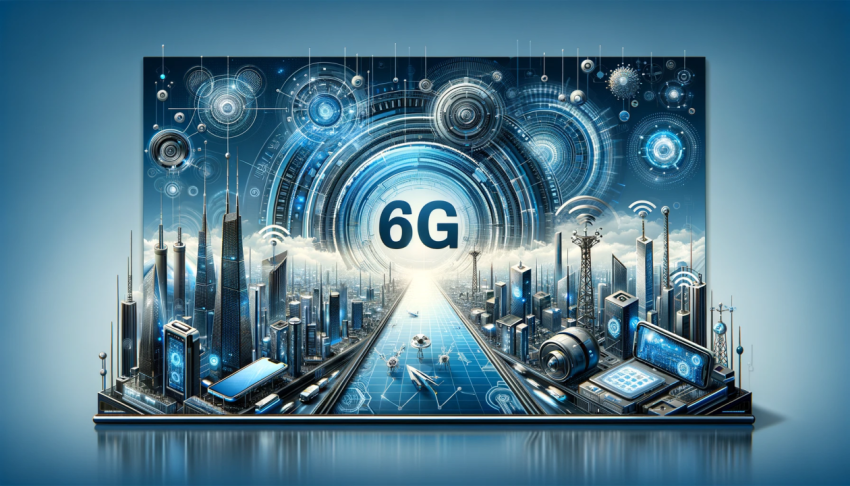
The world is on the cusp of a new technological revolution, driven by the development of 6G technology. As the successor to 5G, 6G promises to deliver unprecedented levels of speed, capacity, and connectivity, transforming industries and reshaping our daily lives. In this blog post, we will explore the key features of 6G technology, its potential applications, and the challenges and opportunities it presents.
What is 6G Technology?
6G is the next generation of mobile network technology, designed to provide significantly higher speeds, lower latency, and greater capacity than 5G. It aims to deliver a seamless and immersive digital experience, supporting a wide range of applications and services.
Key Features of 6G Technology
6G technology is characterized by several key features:
- Ultra-High Speeds: 6G networks are expected to offer speeds of up to 1 terabit per second, enabling ultra-fast downloads, streaming, and real-time applications.
- Low Latency: 6G will have significantly lower latency compared to 5G, ensuring near-instantaneous responses and enabling real-time applications such as virtual reality and augmented reality.
- Massive Connectivity: 6G will support a massive number of connected devices per square kilometer, facilitating the development of IoT applications and smart cities.
- Enhanced Reliability: 6G networks will be more reliable and resilient, ensuring uninterrupted connectivity even in crowded areas or during emergencies.
- Network Slicing: 6G will enable network slicing, allowing network operators to create customized network segments for different applications and services.
Potential Applications of 6G Technology
6G technology has the potential to transform various industries and aspects of our lives. Some of the key applications include:
- Enhanced Mobile Experiences: 6G will enable seamless mobile experiences, including high-quality video streaming, gaming, and virtual reality.
- Industrial IoT: 6G can support the development of advanced industrial IoT applications, improving efficiency, productivity, and safety in manufacturing and logistics.
- Smart Cities: 6G can facilitate the development of smart cities by enabling intelligent transportation systems, smart grids, and public safety applications.
- Healthcare: 6G can support remote healthcare services, telemedicine, and wearable health devices.
- Autonomous Vehicles: 6G can provide the low latency and high reliability required for the safe and efficient operation of autonomous vehicles.
Challenges and Considerations
The development and deployment of 6G technology face several challenges:
- Spectrum Allocation: Allocating suitable spectrum for 6G networks is a complex task, requiring international coordination and cooperation.
- Technical Challenges: Developing the necessary hardware, software, and standards for 6G networks is a significant technical challenge.
- Economic Factors: The deployment of 6G infrastructure requires substantial investments, which may be a barrier for some countries and regions.
- Environmental Impact: The energy consumption and environmental impact of 6G networks need to be carefully considered.
Conclusion

6G technology represents a significant leap forward in mobile network technology, promising to deliver unprecedented levels of speed, capacity, and connectivity. While there are challenges to overcome, the potential benefits of 6G are immense, and it is likely to play a crucial role in shaping the future of technology and society. As we continue to develop and deploy 6G networks, we can expect to see a wide range of innovative applications and services that will transform our lives.