
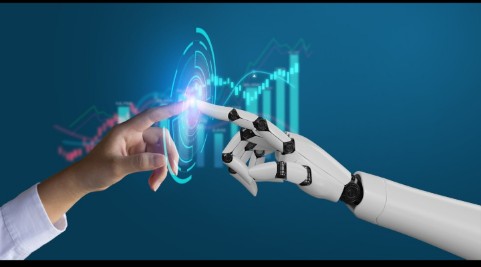
In the dynamic landscape of modern business, companies are constantly seeking innovative ways to boost productivity and gain a competitive edge. Artificial Intelligence (AI) has emerged as a powerful tool in this endeavor, offering a myriad of capabilities to streamline processes, optimize resources, and drive efficiency across all facets of operations. Here’s how AI can help companies enhance their productivity:
How AI can help companies enhance their productivity:
1. Automating Repetitive Tasks:
AI excels at automating routine, repetitive tasks that consume valuable time and resources. Whether it’s data entry, document processing, or customer inquiries, AI-powered automation solutions can handle these tasks with speed and accuracy. By automating mundane activities, employees can redirect their focus towards more strategic initiatives that require creativity and problem-solving skills, thereby increasing overall productivity.
2. Optimizing Decision-Making Processes:
AI-driven analytics tools enable companies to derive actionable insights from vast amounts of data, empowering decision-makers to make informed and data-driven decisions. Machine learning algorithms can analyze patterns, predict trends, and identify opportunities or risks in real-time. By leveraging these insights, companies can optimize strategic decision-making processes, improve operational efficiency, and drive productivity across the organization.
3. Personalizing Customer Experiences:
AI enables companies to deliver personalized experiences to their customers at scale. Through techniques such as natural language processing and machine learning, AI-powered chatbots and virtual assistants can engage with customers in real-time, providing personalized recommendations, resolving queries, and delivering exceptional customer service. By tailoring interactions to individual preferences, companies can enhance customer satisfaction, increase loyalty, and drive productivity through improved customer retention rates.
4. Enhancing Operational Efficiency:
AI technologies can optimize various operational processes, from supply chain management and inventory forecasting to production scheduling and maintenance. AI-driven algorithms can analyze data to identify inefficiencies, streamline workflows, and optimize resource allocation. By automating and optimizing these processes, companies can reduce costs, minimize waste, and improve operational efficiency, ultimately driving productivity and profitability.
5. Facilitating Collaborative Workflows:
AI-powered collaboration tools enable teams to work together more efficiently, regardless of geographical location. Virtual collaboration platforms offer features such as video conferencing, document sharing, and project management tools, enabling teams to communicate, collaborate, and coordinate tasks in real-time. By breaking down silos and fostering a culture of collaboration, companies can leverage the collective expertise of their teams to drive innovation and productivity.
Why AI is Essential for Company Productivity
1. PredictiveMaintenance: AI-powered predictive maintenance systems analyze equipment data to forecast potential failures before they occur. By identifying maintenance needs in advance, companies can schedule repairs during downtime, minimizing disruptions to operations and maximizing equipment uptime.
2. Demand Forecasting: AI algorithms can analyze historical sales data, market trends, and external factors to forecast demand accurately. By predicting future demand, companies can optimize inventory levels, reduce stockouts, and minimize excess inventory, leading to improved supply chain efficiency and cost savings.
3. Personalized Marketing: AI enables companies to deliver personalized marketing campaigns tailored to individual preferences and behaviors. By analyzing customer data and behavior patterns, AI can recommend relevant products, send targeted promotions, and create personalized content, resulting in higher conversion rates and increased customer engagement.
4. Fraud Detection: AI-powered fraud detection systems can analyze vast amounts of transaction data to identify suspicious patterns and anomalies indicative of fraudulent activity. By detecting fraud in real-time, companies can mitigate financial losses, protect their reputation, and ensure compliance with regulatory requirements.
5. Natural Language Processing (NLP): NLP technology enables companies to automate tasks such as document processing, email categorization, and sentiment analysis. By automating these manual tasks, companies can improve efficiency, reduce errors, and free up employees’ time for more strategic activities.
6. Virtual Assistants: AI-powered virtual assistants, such as chatbots and voice assistants, can handle customer inquiries, schedule appointments, and provide support round-the-clock. By automating customer interactions, companies can improve response times, enhance customer satisfaction, and reduce the workload on customer service teams.
7. Talent Acquisition: AI algorithms can analyze resumes, assess candidate skills, and identify top talent for recruitment. By automating the candidate screening process, companies can streamline hiring workflows, reduce time-to-fill positions, and ensure a more efficient and objective selection process.
8.Workflow Automation: AI-driven workflow automation tools can streamline business processes by automating repetitive tasks, routing documents, and coordinating approvals. By eliminating manual intervention and reducing administrative overhead, companies can improve efficiency, reduce errors, and accelerate time-to-market for products and services.
9. Employee Training and Development: AI-powered learning platforms can personalize training programs based on individual learning styles, preferences, and skill gaps. By delivering targeted training content, companies can enhance employee performance, accelerate skills development, and foster a culture of continuous learning and improvement.
10. Data Security: AI algorithms can analyze network traffic, detect anomalies, and identify potential security threats in real-time. By proactively monitoring for security breaches and unauthorized access, companies can strengthen their cybersecurity posture, protect sensitive data, and mitigate the risk of data breaches and cyberattacks.
Conclusion
AI offers companies a plethora of opportunities to enhance productivity across various aspects of their operations. By automating repetitive tasks, optimizing decision-making processes, personalizing customer experiences, enhancing operational efficiency, and facilitating collaborative workflows, AI empowers companies to achieve their productivity goals and thrive in today’s competitive business environment. As AI continues to evolve and mature, its role in driving company productivity is only expected to grow, paving the way for a more efficient and innovative future.